Sized by energy balance. Proven by data. Built for audit-ready carbon removal.
The Biogenic Refinery converts manures, biosolids, food waste, agricultural residues, and qualified organic residuals into pathogen-inactivated biochar, recoverable thermal energy, and MRV-grade operating data through KELV°N®.
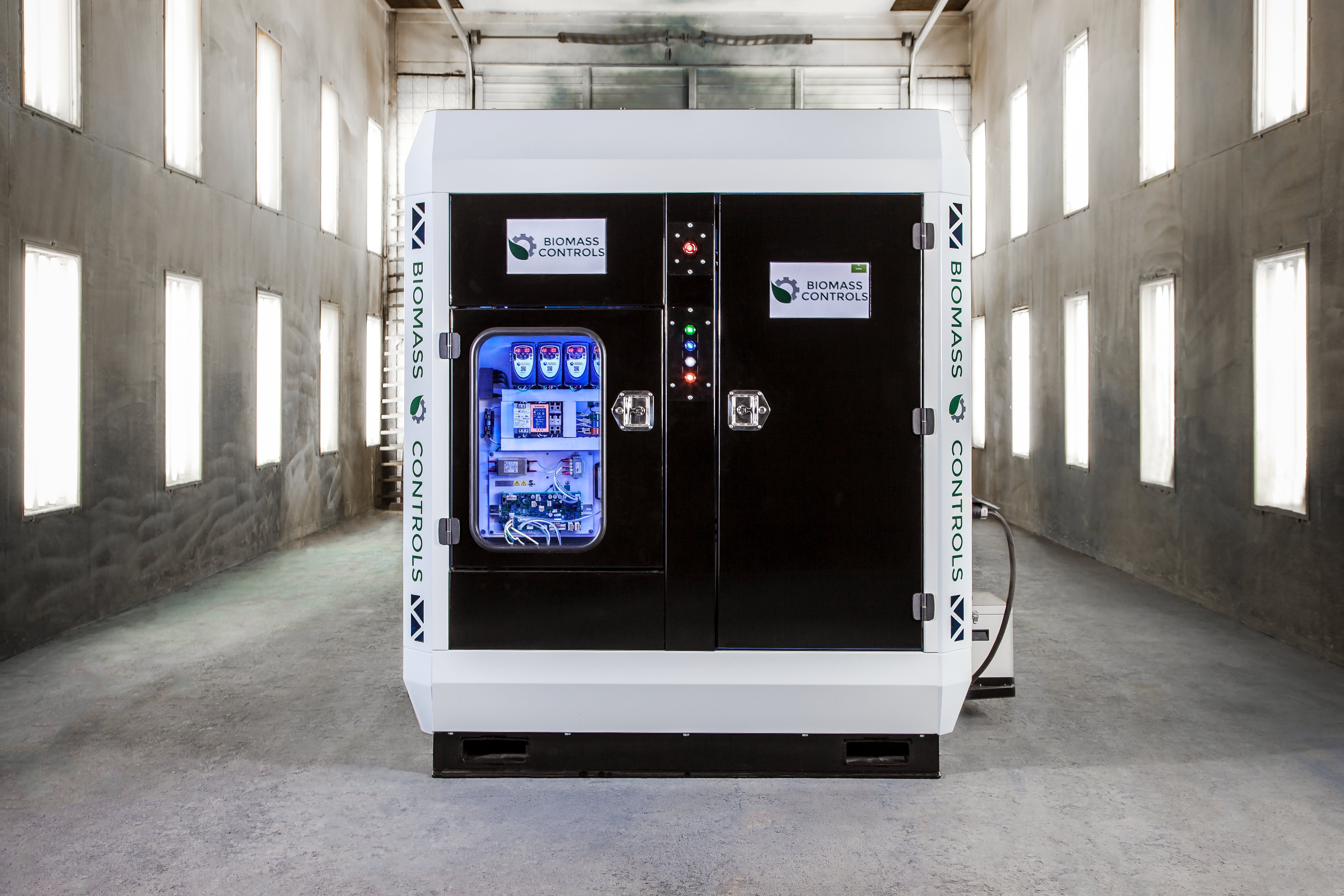
Over 50 systems deployed across warm, cold, remote, agricultural, industrial, and sanitation settings.
Four pressures, one missing pathway. Most pyrolysis systems were designed for clean, dry, uniform woody biomass. The Biogenic Refinery was designed for wet, variable material.
Operators managing high-moisture organic and biogenic materials face escalating costs to store, transport, treat, and dispose of feedstock that conventional infrastructure was not built to handle. Those costs rise as landfill capacity tightens and regulation expands.
Aggregating wet organic materials in lagoons, ponds, drying beds, and storage tanks emits methane during anaerobic decomposition (methane has a much higher near-term warming impact than CO₂) and leaches nutrients into waterways and aquifers. Biosolids, manures, food residuals, absorbent hygiene products, and other wet organic streams are among the categories most affected.
Consumer-products manufacturers (absorbent hygiene, fibers, non-wovens, packaging) face no credible sustainable end-of-life for their products. Compost rarely accepts them. Recycling can't handle composites. Landfill is increasingly regulated against under EPR rules.
Certified-compostable packaging mixed into clean organic streams contaminates finished compost and slows facility throughput. Compost was not designed as an end-of-life pathway for compostable packaging.
Most pyrolysis systems (rotary drum, fluidized bed, downdraft gasifier, flame-cap kiln, air-curtain burner) were built around clean, dry, uniform woody biomass and were not designed for these materials.
Catalyst, controls, heat recovery, and the operating record were built together for high-moisture biogenic and organic feedstocks.
Our catalyst, controls, and heat-recovery architecture were designed around high-moisture biogenic and organic materials.
We quote against your material, not a tons-per-day spec sheet.
Designed, assembled, and tested together in Woodstock, Connecticut.
Capacity and uptime scale by adding units, not by rebuilding the plant.
21 issued patents and 5 pending cover catalytic emissions control, heat recovery, air-to-fuel controls, clinker management, and decentralized deployment safety.
Recoverable thermal output for on-site drying, process heat, or electricity generation via Organic Rankine Cycle.
Pathogen-inactivated, nutrient-concentrated biochar suitable for soil amendment, filtration, construction-material additive, and durable carbon storage. Significant volume reduction: typically around 90%, and up to 95% depending on feedstock and moisture.
Measurement, reporting, and verification: audit-grade data captured through the KELV°N® data platform, supporting carbon-removal certification, sustainability disclosures, and regulatory reporting.
We build for organizations with economic, environmental, and sustainability goals, driven by both regulatory obligations and voluntary action.
Manufacturers preparing for EPR obligations across Colorado, France, Oregon, Maine, California, and the EU. The Biogenic Refinery converts post-consumer materials that compost and recycling cannot credibly handle, reducing dependence on landfill as the default end-of-life pathway. Also relevant to compost facilities seeking alternatives for contaminating compostable-packaging streams.
Manufacturers and site operators converting manures, biosolids, food residuals, or agricultural residues into biochar and recovered thermal energy, eliminating storage methane, recovering nutrients, cutting off-site disposal volumes, and producing audit-grade records for CSRD, SBTi, and state-level disclosure.
Decentralized sanitation programs where centralized infrastructure is unavailable, impractical, or insufficient. Field-proven at multi-plant scale in fecal-sludge applications.
Operators of upstream thermal systems, such as hydrothermal carbonization (HTC), gasification, and first-pass pyrolysis, bringing their char output to a controlled second pass that improves H:C ratio and certified carbon-removal yield.
The Biogenic Refinery, KELV°N data platform, and our peer-reviewed life-cycle assessment (Rowles et al., ACS Environmental Au, 2022) produce the documentation chain that the major carbon-removal and sustainability frameworks expect.
To our knowledge, no other directly comparable equipment manufacturer in this category has a peer-reviewed LCA/TEA published for its system.
Most multinational customers design to the strictest applicable standard once: one methodology, one data system, one set of audit-ready records across all jurisdictions. CRCF eligibility depends on facility location, feedstock, methodology, and certification pathway.
Send us a feedstock summary (composition, moisture range, daily volume, site conditions) and we will return a sizing model, not a price list.
 Biomass ControlsPBC